
8 Seasonal Veggies to Crunch for an Extra Boost of Protein
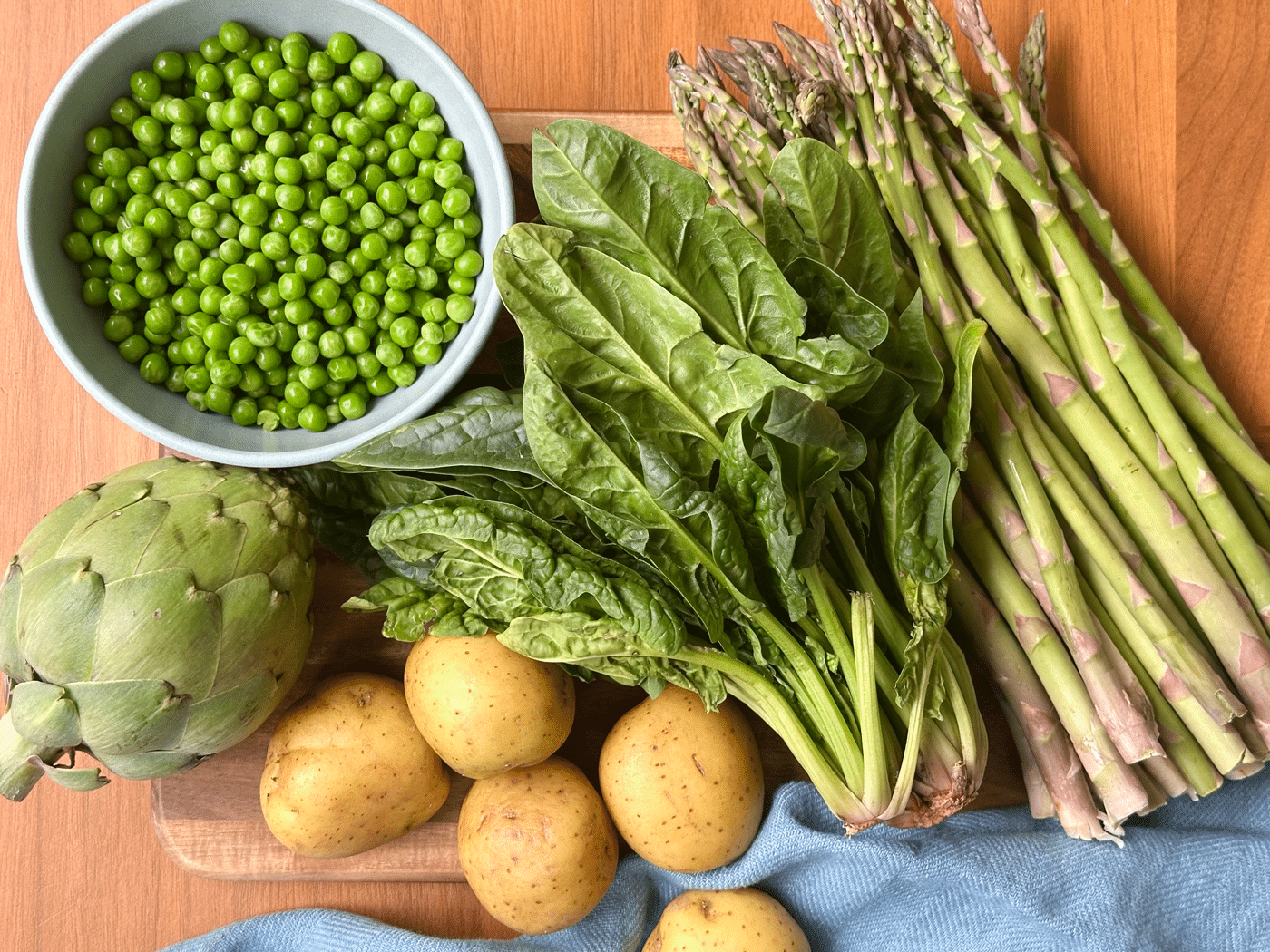
From sweet peas and fresh beans to artichokes and asparagus, you might be surprised how much protein is hiding in sensational seasonal vegetables.
Becky Duffett
It’s the macro of the moment — many people are eating more protein these days, loading up their grocery baskets with chicken breasts and Greek yogurt, eating it with every meal and snack bar, even trying to hit a certain number of grams. How much you need “really depends on the person,” explains Nadeen Mekhael of 18 Reasons, a registered dietitian with a master of public health, who manages the Food as Medicine community program. Keep in mind, “According to studies, the average person living in the United States is getting more than enough protein,” Mekhael points out. “But if someone is doing a lot of intensive exercise and resistance training, they’re more likely to focus on protein. And it’s a priority for folks following a vegan or vegetarian diet.”
Previously, the official recommendation from the Dietary Guidelines for Americans was 0.8 grams of protein per kilogram of bodyweight, and with the recent update, that doubled to 1.2 to 1.6 grams per kilogram. Like many nutrition experts, Mekhael has mixed feelings about the change, because it diverges from the evidence, emphasizes red meat and whole dairy, and downplays the importance of plants and fiber. “In my opinion, that’s a lot! I think one gram per kilogram is a good range.” So if you weigh 180 pounds, she’d consider about 82 grams per day. But above all, talk to your doctor or dietitian about what’s right for you, and don’t get too stressed about the numbers. “I hate calculating anything. I don’t like calorie counting,” she insists. Because it’s hard to do accurately, and “it can get unhealthy to focus on the numbers.”
For an easy visual guideline, Mekhael still loves MyPlate from the USDA, which suggests filling half your plate with fruits and vegetables, a quarter whole grains, and a quarter healthy protein. Within that quadrant, she recommends getting protein from minimally processed foods and a wide range of sources, including poultry, fish, and lots of veggies. “You can get protein from a lot of sources! We don’t need to rely on powders or bars.” You can glean protein from beans, nuts, seeds, grains, and in smaller quantities, even your favorite seasonal vegetables. Of course, not as much as from a salmon filet, but a few grams definitely help to round out your plate.
From sweet peas and fresh beans to artichokes and asparagus, you might be surprised how much protein is hiding in sensational seasonal vegetables. So let’s go crunching.
Becky Duffett
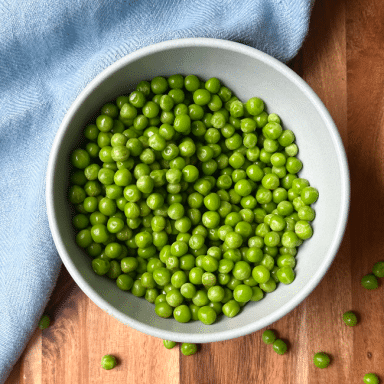
Green Peas
Little green peas are a treat when they roll into spring, and they’re technically a legume, making them high in protein. They pack 8 grams per cup, and they’re a complete protein, Mekhael notes. In fact, many protein powders marketed as plant based rely on extracted pea protein. So it’s always an option to skip the processing, and go for a scoop of fresh sweet peas.
Fava beans
Likewise, earthy and nutty favas thrive in spring, and these fresh beans punch 10 grams of complete protein per cup. Prepping favas usually requires two steps, first popping them out of the pods, then peeling off the skins (blanching helps). Shucking beans is a rite of spring, if you have a meditative moment. But if you’re short on time, simply buy baby favas, which have thinner skins, so you can skip that last step.
Edamame beans
If you love tofu as a satisfying source for plant protein, go back to the original form, and munch on edamame, the young green soybeans, which offer 18 grams of complete protein per cup. Plus, they’re super fun to snack on straight out of the pods, or toss handfuls of the buttery beans into salads and grain bowls.
Brussels sprouts
Protein is present in a number of cruciferous vegetables, including broccoli, cauliflower, kale, cabbage, and — Mekhael’s personal favorite — Brussels sprouts! Those cute mini cabbages with a peppery attitude. They serve 3 grams of protein per cup, along with an outstanding amount of fiber. This is our first example of an incomplete protein, which means they contain some but not all of the amino acids your body needs. So pair Brussels and all of the veggies that follow with whole grains like quinoa or brown rice for the full benefits.
Becky Duffett
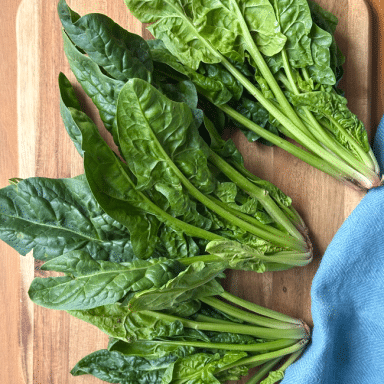
Spinach
You might not imagine that tender spring leaves contain much protein, but spinach sinks down when cooked into a considerable amount — it has less than a gram per cup when raw, but delivers 5 grams per cup when cooked. Either way, when it comes to spinach or kale, the best strategy is to eat like a dinosaur. “Folks should really aim to load their plates with them,” Mekhael says. “And that’s what we want, right? Half of someone’s plate covered in leafy greens.”
Artichokes
One of the most iconic spring vegetables has protein protected in its armored leaves and tender heart. Artichokes scrape off 5 grams per large specimen, as well as a certain type of fiber that’s especially good for your gut. Simply steam and serve hot with butter and lemon, or chill down to enjoy with a dab of aioli.
Becky Duffett
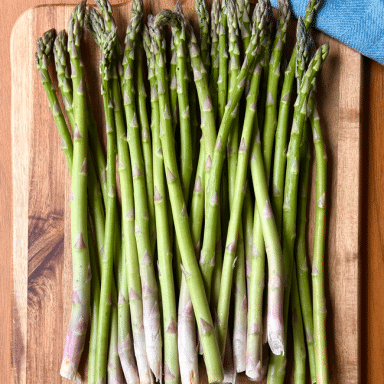
Asparagus
One of the first vegetables to shoot up in spring, when asparagus spears break ground, they bundle 3 grams of protein per six large spears, and that deep green color also indicates rich antioxidants. Mekhael loves to toss together stir-fries, like crispy tofu with tender asparagus, with lots of garlic and ginger, served over whole-grain noodles.
Potatoes
Even the humble potato hides protein in a certain layer — 3 grams per cup, all in the skin. Whether russet or sweet, waxy or starchy, orange or purple, they’ll all have slightly different amounts, provided those peels stay on. And there are extra cute varieties in the spring, when we get the first new potatoes of the season, which are so easy to roll onto a pan and roast until golden.
Becky Duffett is a food writer living and eating in San Francisco. Follow her on Instagram at @beckyduffett.


